Campylobacter upsaliensis is a zoonotic gastrointestinal pathogen
Quality and Security
High-quality testing run in a CLIA-certified and CAP-accredited lab in Santa Clara, California.



About Campylobacter upsaliensis
${ activeTab.tab_content.text }
Loading...
About Campylobacter upsaliensis
Overview and History
Campylobacter upsaliensis is a gram-negative bacterium that belongs to the Campylobacter genus, which is primarily known for its role in foodborne illnesses. First identified in 1991, C. upsaliensis was initially isolated from the feces of domestic animals, particularly dogs and cats, highlighting its presence in the animal gut microbiome. Unlike its more notorious relatives, such as Campylobacter jejuni, which are commonly associated with gastroenteritis in humans, C. upsaliensis has garnered attention for its potential as a bio marker in clinical diagnostics, especially in cases of gastrointestinal disorders. Its ability to adapt to various host environments and its significance in studying the interconnectedness of animal and human health make it an important subject of research in microbiology and epidemiology. As a bio marker, the presence of C. upsaliensis may offer insights into the complexities of gut health and contribute to better understanding of microbial dysbiosis and its impact on human diseases.
Interpreting Highs and Lows
Elevated levels of Campylobacter upsaliensis may indicate a potential overgrowth of this bacterium, which is associated with gastrointestinal issues and may suggest an imbalance in gut microbiota. This overabundance can be linked to recent infections, antibiotic use, or dietary factors that promote its proliferation. Conversely, low levels of Campylobacter upsaliensis might suggest a healthier gut environment, potentially reflecting a balanced microbiome. However, very low levels could also indicate an inability to effectively respond to pathogenic threats, which might compromise gut health and immune function. Understanding these variations can help in interpreting the overall gut health and guiding dietary or probiotic interventions.
Featured Test
Campylobacter upsaliensis is included in the Gut Zoomer panel, a comprehensive assessment of gut microbiota that analyzes over 170 species of microorganisms. This specific bio marker is particularly notable for its association with gastrointestinal symptoms and overall gut health, allowing practitioners to better understand the microbial landscape in relation to potential pathogenic influences. By identifying levels of Campylobacter upsaliensis, practitioners can tailor interventions and support strategies that enhance digestive wellness and promote a balanced microbiome for optimal health outcomes.
Related Articles
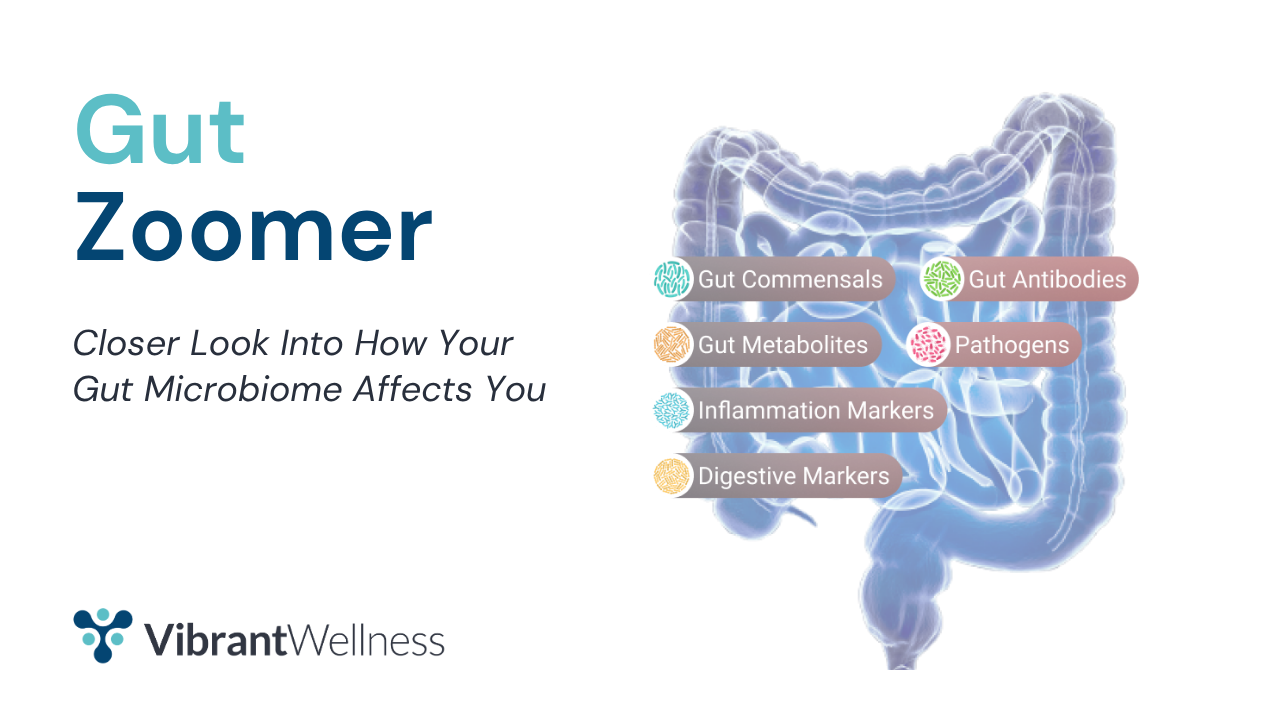
This case simulation—grounded in patterns observed across hundreds of clinical consultations—is designed to support evidence-informed interpretation o...
Gut symptoms are rarely just gut symptoms. Many patients present with digestive complaints alongside fatigue, mood variability, poor sleep, brain fog,...


The gut and brain are in constant communication, a bidirectional network that influences not only digestion and immunity, but also mood, focus, and be...


You've seen patients like Sarah walk into your office: A 34-year-old marketing executive with visible frustration etched on her face. She's tried ever...

Results trusted by over 18,000 functional wellness professionals
We’re the leading provider of specialty wellness lab testing because we develop our testing with rigorous, ongoing research by top clinical experts, doctors, and scientists.
-1.png?width=542&height=427&name=shutterstock_2371998817%201%20(1)-1.png)
.png?width=207&height=108&name=Group%201410104259%20(1).png)

The gold standard of accuracy in the lab industry
Our tests run on a proprietary 3Dense microchip technology platform that boasts unrivaled specificity and sensitivity. While most other labs carry only CLIA certification, we're CAP-accredited by the College of American Pathologists.
.png?width=487&height=356&name=Frame%201410104197%20(3).png)

.png?width=187&height=63&name=category%20Card%20text%20(1).png)
.png?width=202&height=63&name=category%20Card%20text%20(2).png)

Mary Beth Augustine
DCN, RDN, FAND- Lead Clinical Educator

Suzanne Barker
MS, RDN, LD, CTTS, CGP- Clinical Educator

Suzette Garcia
MSc- MHNE- Clinical Educator

Brooke Mader Ganev
MS, CNS, LDN, FDN- Clinical Educator

Adair Anderson
MS, RDN, LDN- Clinical Educator

Lillie Luu Nguyen
DCN, CNS, LDN- Clinical Educator

Jason Barker
ND- Clinical Educator

Emaline Brown
ND- Clinical Educator

Dana Filatova
DCN, CNS, LDN- Clinical Educator

Jessy Dhanjal
ND- Clinical Educator

Nour Amri
MS, LDN, CNS, CKNS- Clinical Educator