For women, menopause marks the end of reproductive capacity, but not the end of hormone activity. Once ovarian hormone production stops, the body depends on peripheral sources, primarily the adrenal glands and fat tissue, for continued estrogen and progesterone activity. Melatonin, important for sleep, antioxidant defense, and immune regulation, naturally declines with age, often around the time of the menopausal transition.
How well a woman adapts to this transition (both naturally and with lifestyle support) has a profound impact on immune health. A smooth shift supports immune regulation and tolerance. A rocky one can lead to rising inflammation, increased autoantibody activity, and the onset or worsening of autoimmune symptoms.
In this article, we’ll explore:
- The immune effects of declining estrogen, progesterone, and melatonin
- How adrenal health shapes postmenopausal hormone balance
- How gut and vaginal microbiome changes may contribute to inflammation
- How clinicians can assess clients going through the menopausal transition with the Vibrant Wellness Hormone Zoomer, Autoimmune Zoomer, and Gut Zoomer
- Strategies to support midlife women in improving hormone balance, gut health, and immune resilience

Menopause doesn’t cause autoimmunity on its own, but for many women, it exposes vulnerabilities in an already stressed immune system.
Table of Contents
Hormone Decline After Menopause — A New Endocrine Terrain
Once ovarian function ceases, circulating levels of estrogen and progesterone drop sharply. The body must then depend on other sources for these hormones, primarily the adrenal glands and peripheral tissues such as fat, skin, bone, and muscle. This shift is one of the most significant hormone changes in a woman’s life. How well she adapts to it can strongly influence immune balance.
Why the Drop Matters for Immune Regulation
- Estrogen generally enhances immune surveillance and helps temper inflammation by increasing IL-4 and suppressing NF-κB activity. When estrogen levels drop, pro-inflammatory cytokines such as IL-1, IL-6, and TNF-alpha often increase, prompting immune cells to respond more aggressively.
- Progesterone promotes immune tolerance by encouraging regulatory T cell activity and reducing the output of pro-inflammatory cytokines. Without ovulation, progesterone production drops to minimal levels, tipping the immune balance toward activation rather than regulation.
The Role of the Adrenal Glands
Without ovarian hormone production, the adrenal glands become a key source of sex hormone precursors such as DHEA, which peripheral tissues can convert into estrogens. However, adrenal hormone production is highly dependent on overall stress load.
- In women with chronic physical, mental, or metabolic stress, the HPA axis may prioritize cortisol production over DHEA, leaving fewer precursors available for sex hormone synthesis.
- High cortisol suppresses the immune system, creating conditions in which inflammation, infections, oxidative stress, and gut disruption can flourish, further exacerbating cortisol levels.

Example: A 53-year-old professional woman living a high-stress lifestyle showed elevated cortisol and very low estrogen and progesterone on the Hormone Zoomer. Addressing adrenal health was a key first step before starting hormone replacement.
You’ve likely seen a similar case in practice, where the stress impacts hormone and immune patterns as much as the menopausal transition itself.
Clinical Impact
As a result of these hormonal changes, women may experience:
- Diminished immune tolerance
- Higher systemic inflammation
- Increased risk or worsening of autoimmune activity
Key Tools
- Vibrant Wellness Hormone Zoomer: Evaluates sex hormone levels, metabolites, and stress hormone patterns
- Vibrant Wellness Autoimmune Zoomer: Detects markers for early immune activation and antibody patterns during this significant hormonal shift
The Microbiome's Postmenopausal Shift
Menopause is a time of many shifts, and temperature, mood, and sleep changes often get the spotlight, but the gut and vaginal microbes are changing, too. These microbial shifts can quietly influence immune regulation, setting the stage for either resilience or increased inflammatory risk.
Gut Microbiome
Estrogen plays a role in maintaining a diverse, balanced gut microbiome. When levels fall, diversity can decline, and the ratio of beneficial to potentially harmful bacteria may shift. This can:
- Increase gut permeability (“leaky gut”), allowing bacterial products such as lipopolysaccharides (LPS) to enter circulation and stimulate inflammation.
- Alter gut-associated lymphoid tissue activity, reducing mucosal immunity and tolerance.
Vaginal Microbiome
Estrogen stimulates glycogen production in vaginal tissue. Glycogen feeds lactobacillus — the beneficial bacteria that help maintain acidic pH and block pathogens. When estrogen drops:
- Lactobacillus numbers fall and pH rises
- Risk increases for UTIs, yeast infections, and bacterial vaginosis
- In susceptible women, these infections (and the inflammation they create) may trigger autoimmune flares
Why This Matters Clinically
Imbalanced gut and vaginal microbiota keep the immune system on constant high alert, like a cornered, wounded animal, eroding tolerance. In this heightened state, autoimmune flares or even new autoimmune conditions can emerge. Restoring microbial balance and repairing “leaky gut” is often the most effective first step to regulate immunity and prevent autoimmune activation.
Key Tool
- Vibrant Wellness Gut Zoomer: Evaluates microbiome composition, diversity, gut barrier integrity, and inflammatory markers, helping guide targeted interventions for gut and vaginal ecosystem health
Melatonin Decline and Immune Function Consequences
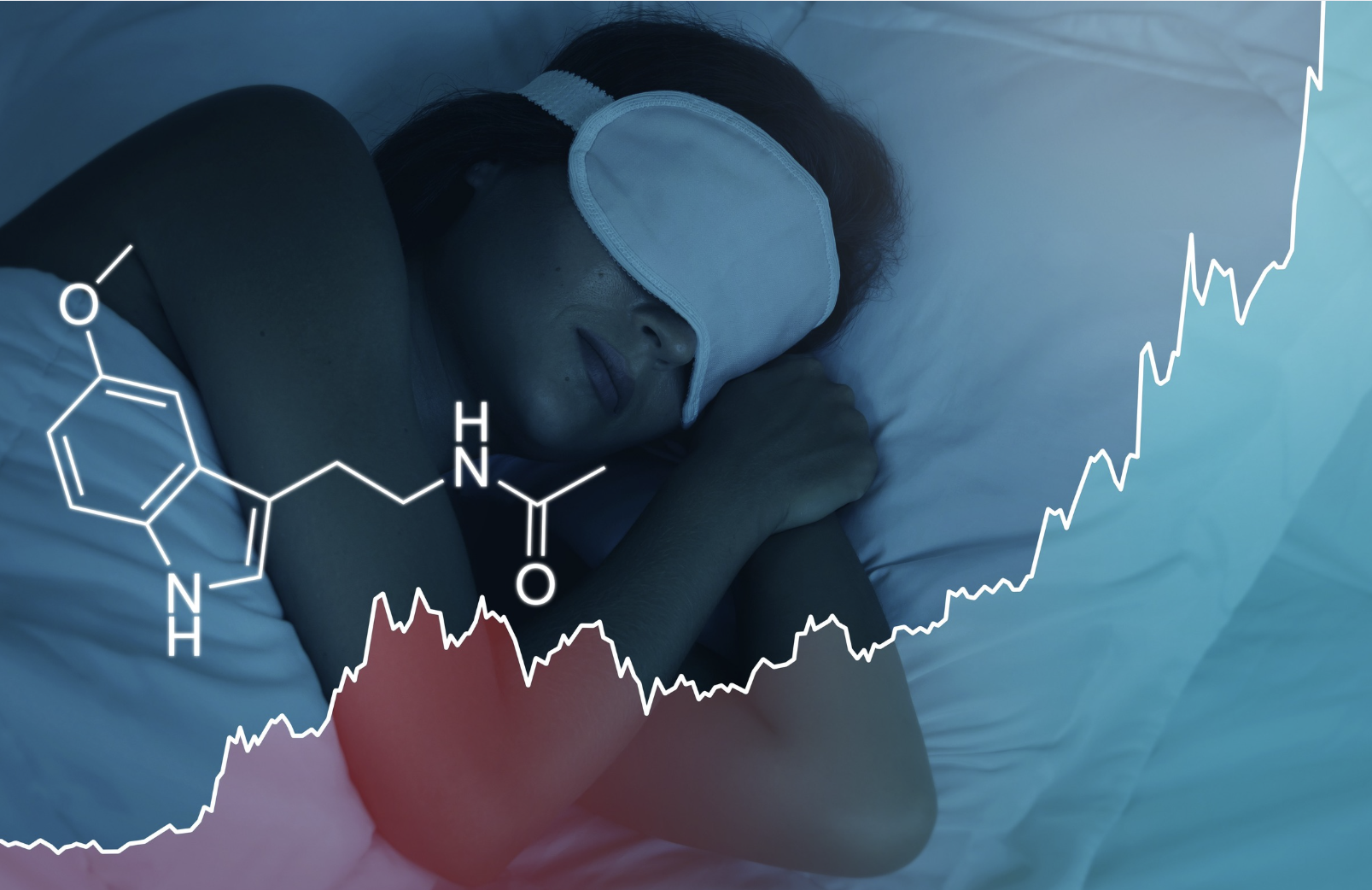
Poor sleep is as common in menopause as a teenager raiding the fridge at midnight. Melatonin often comes to mind, especially when high nighttime cortisol is sabotaging its production, something we frequently see in midlife women. But melatonin isn’t just the “sleep hormone.” It’s also a potent antioxidant and a key regulator of immune balance.
Research shows melatonin production naturally declines with age, often coinciding with the menopausal transition. This drop doesn’t just make sleep harder to come by; it may also leave women more prone to inflammation and immune dysregulation.
Key Immune-Supportive Roles of Melatonin
- Regulates inflammatory signaling
- Neutralizes oxidative stress through direct free radical scavenging and by upregulating antioxidant enzymes such as superoxide dismutase and glutathione peroxidase
- Supports immune regulation and tolerance
Clinical Connection
If your patient tells you she’s exhausted all day but suddenly alert at bedtime, or waking up at 3:00 a.m. ready to plan her grocery list, it’s a red flag for cortisol or melatonin imbalance. Research shows that poor sleep can increase the risk of autoimmune disease, and targeted testing can clarify whether hormones are the culprit. Seeing results on paper often provides the motivation a client needs to commit to change.
Start with the low-hanging fruit:
- Bright morning light and low evening light
- Cool, dark bedroom
- Consistent wind-down routine
- Avoid heavy meals at least two hours before bed
- Warm shower or bath to draw core heat outward and cool the body for better sleep
Then look deeper:
- Ensure adequate nutrients for melatonin synthesis.
- Tryptophan, omega-3 fatty acids, B vitamins, zinc, and magnesium
- Support mitochondria (where melatonin is produced).
- Colorful plants, CoQ10, magnesium, B vitamins
- Reduce environmental toxins
- Evaluate the pineal gland for calcification, which can reduce melatonin production.
- Assess caffeine timing and metabolism.
- Slow caffeine metabolism can block adenosine, the brain’s natural “sleep pressure” signal
Example: After dinner, Maria, a 52-year-old marketing executive, would “just check” her work email, which often turned into two hours of screen time and mental re-engagement. At bedtime, she fell asleep easily, but her Oura ring data revealed very little deep sleep and over 90 minutes of wake time most nights. Testing showed a normal cortisol curve but very low melatonin. By setting work boundaries and reclaiming her evenings with reading, an Epsom salt bath, or catching up with friends, her sleep quality improved (and she felt less burned out) within weeks.
Key Tools
- Hormone Zoomer: Assesses cortisol, melatonin, and sex hormone balance
- Micronutrient Panel: Evaluates nutrient status essential for melatonin synthesis and mitochondrial health
Testing and Assessment Strategies
The menopausal transition is not the time to guess what’s happening under the hood. Functional testing gives you concrete data on hormone status, immune activity, gut health, and nutrient status, so you can create a targeted plan rather than chasing symptoms.
Hormone Zoomer
- Measures estrogen, progesterone, DHEA, cortisol, melatonin, and their metabolites
- Reveals detox and methylation patterns that can affect hormone balance and tolerance
- Helps determine if a woman is a good candidate for hormone therapy or if detox pathways need support first
- Is especially valuable when done before menopause to create a smoother transition plan
Autoimmune Zoomer
- Screens for organ-specific autoantibodies across multiple systems (thyroid, gut, joints, skin, brain, and more)
- Detects markers for early immune activation before significant tissue damage occurs
- Tracks antibody changes over time to evaluate intervention success

Gut Zoomer
- Evaluates the gut microbiome, gut barrier function, and immune-triggering microbes
- Identifies biomarkers for dysbiosis, leaky gut, and elevated beta-glucuronidase activity that can affect estrogen metabolism
- Highlights gut-immune connections that may be influencing autoimmune symptoms
Micronutrient Panel
- Evaluates extracellular and intracellular nutrient levels
- Helps identify deficiencies that impair immune regulation, weaken adrenal resilience, disrupt microbiome diversity, or limit melatonin production
- Focuses on nutrients like magnesium, zinc, omega-3 fatty acids, B vitamins, selenium, vitamin D, and amino acids such as tryptophan
Comprehensive testing doesn’t just explain why a woman is experiencing postmenopausal immune shifts; it also pinpoints where to start. Once you can recognize the patterns in hormone output, immune activation, microbiome balance, and nutrient reserves, the next step is designing a plan that restores regulation across all systems. This is where targeted clinical support strategies come in.
Menopause Relief Support Strategies
Test results offer the roadmap. The goal is to restore immune regulation by addressing the underlying drivers revealed in assessment — whether that’s hormone imbalance, gut dysbiosis, nutrient depletion, or a stressed adrenal system.
-
Support adrenal function for hormone resilience.
- Our thoughts are constantly with us, and the body follows the mind. As Charles R. Swindoll said, “Life is 10% what happens to you and 90% how you react to it.” Help patients unpack this, showing how perception and mindset can calm the stress response and shift cortisol patterns toward balance.
- Counter stress with peaceful mini-breaks: Take visual breaks by looking out to the horizon, deep, cleansing breaths, yoga, prayer/meditation, gratitude practice, and connect with friends.
- Consider adaptogens (ashwagandha, rhodiola, holy basil) for short-term relief when appropriate. Keep asking “Why?” until root causes are revealed.
- Prioritize consistent sleep and recovery periods between intense activities.
-
Restore gut integrity and microbial balance.
- Look for pathogenic overgrowth patterns or insufficiency patterns via the Gut Zoomer.
- Remove dietary triggers and toxins that aggravate gut permeability.
- Address leaky gut with glutamine, zinc carnosine, and omega-3 fatty acids.
- Increase prebiotic fibers (onions, garlic, asparagus) and polyphenols (berries, green tea, pomegranate).
- Use probiotics and fermented foods to rebuild beneficial flora.
-
Replete critical nutrients for immune and hormone function.
- Vitamin A and D for a healthy immune system and gut barrier strength
- B vitamins — especially needed by people with high, chronic stress, toxicity, and/or estrogen overload/dominance
- Copper and zinc for mitochondrial superoxide dismutase antioxidant synthesis
- EPA and DHA to decrease inflammatory signaling on cell membranes by replacing arachidonic acid and for melatonin synthesis
- Magnesium, because stress promotes urinary magnesium loss, and magnesium loss increases stress; also needed for glutathione (internal antioxidant) synthesis
-
Protect sleep and circadian rhythm.
- Address cortisol dysregulation
- Bright light exposure in the morning; dim light at night
- Cool, dark bedroom
- Avoid caffeine after midday (or entirely in slow metabolizers)
- Consider gentle melatonin support if levels are low and sleep disruption persists
-
Consider hormone replacement therapy (HRT) when appropriate.
- If testing reveals significant drops in estrogen and progesterone with poor adrenal compensation, bioidentical HRT may be an option, but only after detox and gut health are optimized.
- Monitor symptoms and follow up with Hormone Zoomer to assess the body’s response, then fine-tune hormone dosage and delivery method as needed.

Conclusion: Menopause as a Window of Opportunity
Menopause doesn’t cause autoimmunity, but it can reveal the weak points in a woman’s immune and hormone systems.
Functional testing with the Hormone Zoomer, Autoimmune Zoomer, Gut Zoomer, and Micronutrient Panel can uncover the underlying drivers, whether stressed adrenals, sluggish detox, nutrient gaps, or microbiome imbalances, so you can create a targeted plan to help patients navigate this transition. The goal is to turn this transition into a period of lasting immune resilience rather than chronic inflammation.
About the Author
Alison Bame, RD, CFMP, is a Registered Dietitian, Certified Functional Medicine Practitioner, and Hormone Expert specializing in women's health, midlife weight management, and autoimmune conditions. With over 15 years of experience, she helps women over 40 navigate perimenopause, hormonal imbalances, and metabolic challenges using a root-cause, functional medicine approach. A passionate educator and advocate for proactive healthcare, Alison empowers women to take charge of their health through personalized nutrition, hormone balance, and gut-immune support. Learn more about her work at AlisonBame.com.
Regulatory Statement:
The information presented in case studies have been de-identified in accordance with the HIPAA Privacy protection.
The general wellness test intended uses relate to sustaining or offering general improvement to functions associated with a general state of health while making reference to diseases or conditions. This test has been laboratory developed and its performance characteristics determined by Vibrant America LLC and Vibrant Genomics, a CLIA-certified and CAP-accredited laboratory performing the test. The lab tests referenced have not been cleared or approved by the U.S. Food and Drug Administration (FDA). Although FDA does not currently clear or approve laboratory-developed tests in the U.S., certification of the laboratory is required under CLIA to ensure the quality and validity of the test.


Find a Provider- Take Control of Your Health
Connect with a provider to access Vibrant Wellness specialty tests and personalized insights that support your long-term health.
Related Articles

If you’ve spent any time around teenagers, it might seem like they can deal with just about anything — crappy diets, late nights, emotional stress, and constant...
The gut plays a central role in overall systemic health. Emerging research links gut dysfunction to a range of systemic symptoms that often stay undiagnosed for...


Nearly 80% of people with an autoimmune disease are women. This striking statistic underscores the need to examine the potential connection between hormone imba...