For many women, the postpartum phase is physically exhausting and emotionally raw. And beneath the surface, the immune system is in flux, just like a house with a new baby: unsettled, overstimulated, and trying to find its rhythm.
During pregnancy, the immune system is intentionally downregulated to allow the body to tolerate the growing fetus. But once the baby is born, immune vigilance ramps up fast. This rebound, paired with a steep drop in estrogen and progesterone, creates a window where immune tolerance may falter.
Layer on nutrient depletion, disrupted sleep, physical stress, and potential gut damage, and the conditions are primed for autoimmune disease to develop or flare.
This article explores why the postpartum period is a high-risk time for autoimmune activation, what clinical patterns to watch for, and how to use tools such as the Vibrant Wellness Hormone Zoomer, Autoimmune Zoomer, Micronutrient Panel, and Gut Zoomer to catch immune shifts and other hormone health impacts early and guide targeted recovery.
Table of Contents
The Immune System in Transition: From Pregnancy to Postpartum
The immune system isn’t static across a woman’s reproductive life. Research shows that early pregnancy (around conception) and late pregnancy (during labor and delivery) are marked by pro-inflammatory activity, while mid-pregnancy is characterized by more anti-inflammatory immune responses. These shifts are necessary to support implantation, fetal growth, and delivery, but can also increase the risk for autoimmune activation after birth.
 What changes and why it matters
To tolerate the growing fetus, the maternal immune system suppresses cell-mediated responses and ramps up regulatory T-cell activity. This protects the fetus but temporarily downregulates cell-mediated immune defenses.
Postpartum, aka “fourth trimester,” immune challenges
After delivery, new mothers often experience a dip in immune function. Not surprisingly, this is one of the most physically and psychologically demanding periods of a woman’s life, involving:
- Recovery from labor & delivery (e.g., blood loss, tissue repair)
- Sleep disruption and circadian rhythm imbalance
- Nutrient depletion from pregnancy and lactation
- Abrupt hormonal shifts (covered in the next section)
- Increased psychological stress and cortisol fluctuations
Clinically observed autoimmune activity
- Postpartum thyroiditis affects 5-10% of women.
- Lupus and rheumatoid arthritis (RA) flares are more common in the first 6 months postpartum.
- Other autoimmune conditions that may newly manifest or worsen postpartum:
-
- Grave’s disease
- Sjögren’s syndrome
- Myasthenia gravis
- Celiac disease
- Inflammatory bowel disease
These rapid and dramatic changes make the early postpartum period a time of heightened autoimmune risk, even in women without a previous diagnosis.

Hormone Shifts and Immune Fallout
Oxidative Stress and Inflammation
The hormonal shifts that occur after childbirth represent one of the most abrupt endocrine transitions the body experiences. Estrogen and progesterone, which play critical roles in immune regulation, plummet within days after delivery. At the same time, prolactin rises, and thyroid function may become disrupted. These changes can leave the immune system reactive, unstable, and primed for dysregulation.
Estrogen withdrawal
During pregnancy, estrogen is essential for both the mother and fetus. It supports placenta development, maintains the uterine lining, and suppresses follicular stimulating hormone (FSH) and luteinizing hormone (LH) to prevent ovulation.
Estrogen peaks in the third trimester, helping prepare the uterus and cervix for labor. After birth, estrogen levels drop sharply. For non-breastfeeding mothers, pre-pregnancy estrogen levels typically return within three to six months. In breastfeeding mothers, normalization may take longer, depending on the timing of weaning.
Estrogen is broadly immune-enhancing, promoting antibody production while tempering inflammation through IL-4 signaling and NF-kB suppression. Its sudden loss can remove that regulatory balance.
Progesterone withdrawal
Progesterone levels also fall quickly after birth, particularly with the delivery of the placenta. While this decline is necessary to stimulate prolactin and initiate milk production, it also reduces T regulatory cell activity and can increase inflammatory signaling. For women already vulnerable to immune imbalance, this may create a high-risk window.
Prolactin and immune activation
Rising prolactin supports lactation but also has known immunostimulatory effects. Elevated prolactin has been shown to activate B cells and may increase autoantibody production. This can contribute to flares or a new onset of autoimmune conditions such as Hashimoto’s thyroiditis or systemic lupus erythematosus in susceptible individuals.

Thyroid function impairment
Thyroid dysfunction is relatively common in the postpartum period and may present as:
- Transient hyperthyroidism or hypothyroidism
- Postpartum thyroiditis (an autoimmune condition similar to Hashimoto’s)
Postpartum thyroiditis is marked by lymphocytic infiltration of the thyroid gland and is often associated with positive thyroid peroxidase (TPO) antibodies. Although symptoms may resolve over time, some women develop long-term hypothyroidism.
Both postpartum thyroiditis and Hashimoto’s thyroiditis are linked to specific genetic predispositions, including HLA-D and HLA-B haplotypes. The combination of hormone withdrawal and immune reactivation may unmask or accelerate underlying thyroid autoimmunity.
Clinical tip
Women with a personal or family history of thyroid disease, type 1 diabetes, or other autoimmune conditions should be screened early postpartum. Recommended labs include TSH, free T4, free T3, and TPO antibodies.
Nutrient Depletion and Micronutrient Testing
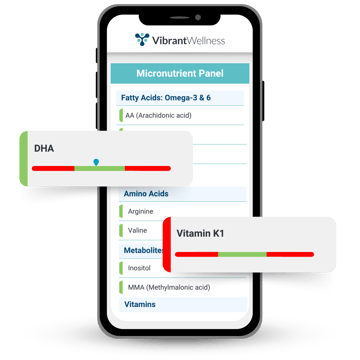 Pregnancy, birth, and breastfeeding place intense nutritional demands on the body. Even with a balanced diet, many women enter the postpartum phase in a state of nutrient depletion. Add to this the realities of poor sleep, increased stress, and disrupted digestion, and it's easy to see how gaps in nutrition become both common and clinically relevant.
Why postpartum nutrition is especially important
The immune system is one of the most nutrient-dependent systems in the body. Micronutrients help regulate inflammation, support antioxidant defenses, fuel detoxification, and maintain gut barrier integrity, all essential for immune tolerance. When key nutrients are missing, immune regulation becomes harder to maintain, and autoimmune activation is more likely to take hold.
Common postpartum deficiencies include:
- Vitamin D: Essential for immune modulation and T regulatory cell activity; supports tight junctions within the intestinal lining to prevent “leaky gut,” a known trigger for autoimmunity
- Vitamin A: Crucial for gut lining integrity and T-reg cell synthesis; helps regulate IL-17, an inflammatory cytokine elevated in many autoimmune conditions
- Iron: Often depleted due to delivery-related blood loss; critical for energy, T4 synthesis, and innate immune cell function (macrophages, neutrophils, NK cells)
- Zinc: Supports thymic T cell maturation, thyroid hormone conversion (T4 to T3), and vitamin A utilization; also essential for wound healing
- Selenium: Key for T4 to T3 thyroid hormone conversion and glutathione production
- Magnesium: Required for T cell, B cell, and macrophage activity; also key for stress resilience and vitamin D metabolism
- B vitamins (especially B6, B12, and folate): Needed for immune balance, energy production, methylation, and neurotransmitter balance
- Omega-3 fatty acids: Modulate inflammation and support immune regulation in early autoimmune processes
Micronutrient Testing in Practice
A functional test such as the Micronutrient Panel can help assess both extracellular and intracellular levels of key vitamins, minerals, amino acids, and fatty acids, allowing for more personalized and targeted repletion plans.
Gut Health and Autoimmune Risk
The postpartum period is not only a time of hormonal and nutrient shifts; it’s also a vulnerable window for gut health. Impaired digestion, antibiotic exposure, hormonal changes, and elevated stress can all compromise the delicate lining of the GI tract and disrupt the balance and diversity of the gut microbiome. This sets the stage for immune dysfunction and potential autoimmune activation.
Why the Gut Matters in Postpartum Autoimmunity
Over 70% of immune cells reside in the gut. A healthy intestinal lining and diverse microbiome help maintain immune tolerance by:
- Preventing immune reactions from pathogens and inflammatory compounds (like lipopolysaccharides) moving into systemic circulation due to leaky gut
- Supporting the production of short-chain fatty acids (like butyrate) that regulate inflammation
- Training regulatory T cells that prevent autoimmune activation
- Metabolizing and clearing hormones effectively

But postpartum factors can disturb this delicate balance:
- Antibiotics given during or after delivery will reduce microbial diversity and increase the risk of dysbiosis.
- Hormonal shifts (especially estrogen withdrawal) can alter microbial composition.
- Stress and poor sleep impair digestion and mucosal immunity.
- Nutrient depletion, such as of vitamins A and D and zinc, impairs the gut lining’s ability to repair and maintain tight junctions.
Common Postpartum GI Symptoms That May Signal Risk
- Bloating or gas not present during pregnancy
- New food sensitivities or reactivity
- Alternating constipation and diarrhea
- Skin issues (eczema, rashes) that coincide with digestive changes
- Mood changes linked to meals or blood sugar fluctuations
The Role of the Gut Zoomer
The Gut Zoomer provides a comprehensive view of microbial balance, gut barrier function, digestion, inflammation, and pathogenic overgrowth. Key markers for postpartum autoimmune evaluation include:
- SIgA (secretory IgA): A critical marker of mucosal immunity
- Zonulin and occludin: Associated with intestinal permeability
- Akkermansia and Faecalibacterium: Keystone species for mucosal health
- Pathogen and parasite panels: To rule out underlying infections that can drive systemic inflammation
Clinical Tip
If a postpartum patient presents with new or worsening autoimmune symptoms, don’t overlook the gut. GI testing can reveal underlying imbalances, such as dysbiosis, leaky gut, or inflammatory markers, that often go undetected on standard labs but play a critical role in immune activation.
Personal Note:
Before delivering my second child, I was given two rounds of antibiotics and an epidural. While the birth was uncomplicated, I developed major GI distress postpartum. Combined with the demands of breastfeeding, I became significantly nutrient-depleted. It took six months of targeted gut support to calm the inflammation, restore digestive function, and get my energy and health back. This experience shaped how I now approach postpartum care in my practice.
Clinical Assessment Tools for Postpartum Autoimmune Risk
Postpartum immune disruption doesn’t always present as full-blown autoimmunity. Often, it starts as fatigue, brain fog, hair loss, or gut symptoms, and gets dismissed as "normal new mom stuff." However, these early signs offer a valuable window for intervention. Functional tests can point to possible underlying causes.
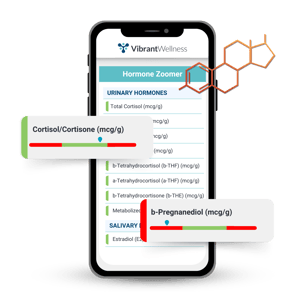 1.
1. Offers insight into:
- Estrogen and progesterone patterns (especially low post-pregnancy progesterone)
- Estrogen detoxification and methylation efficiency
- Cortisol levels and HPA axis recovery
- Endocrine-disrupting chemicals (BPA, phthalates, parabens)
Why it matters:
Postpartum hormone health recovery varies widely. Testing helps identify when hormonal imbalances are contributing to symptoms or immune reactivity and helps guide repletion and cycle regulation.
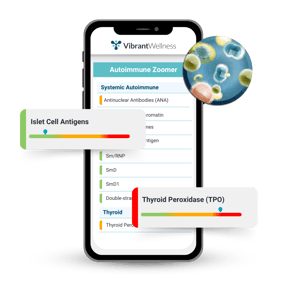 2.
2. Screens for early-stage autoimmune activity across multiple organ systems:
- Thyroid (TPO, TG antibodies)
- Gut, joints, skin, and brain-related autoantibodies
- Identifies immune reactivity even before traditional diagnostics flag concern
Why it matters:
Autoimmune Zoomer allows for pattern recognition before damage is done. It is especially useful for women with a family history, past autoimmunity, or new postpartum symptoms.
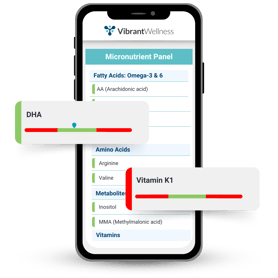 3. Micronutrient Panel
Evaluates:
- Key immune-supportive nutrients (vitamin D, A, iron, zinc, selenium, B vitamins, magnesium, omega-3s)
- Both serum and intracellular levels
Why it matters:
It confirms nutrient depletion and helps prioritize targeted repletion to stabilize energy, hormones, and immune function.
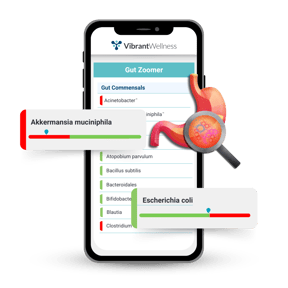 4. Gut Zoomer
Assesses:
- Dysbiosis, leaky gut, pathogens, fungal overgrowth
- Inflammatory markers (calprotectin, secretory IgA)
- Digestive capacity (elastase, steatocrit)
Why it matters:
Postpartum gut health is often compromised due to antibiotics, stress, diet, or hormonal shifts. The Gut Zoomer helps identify gut-related immune triggers and guides precision treatment.
Clinical Tip
Use symptom clusters (e.g., fatigue + hair loss + constipation = thyroid?) to guide which test to run first. But don’t underestimate the value of layering testing. Immune, hormone, nutrient, and gut data often tell the clearest story together.
Supporting the Postpartum Terrain Before Autoimmunity Takes Hold
The postpartum period is one of the most overlooked windows of immune vulnerability in a woman’s life. While hormone changes, nutrient depletion, and gut disruption are part of the normal recovery process, they can also tip the immune system toward autoimmune activation in genetically susceptible women.
By recognizing patterns early, including hormone imbalances, micronutrient deficiencies, and gut inflammation, clinicians can intervene before full-blown autoimmune disease develops.
Tools such as the Vibrant Wellness Autoimmune Zoomer, Hormone Zoomer, Micronutrient Panel, and Gut Zoomer offer powerful insight into the postpartum terrain. But the clinical mindset is just as important: listening for subtle shifts, validating a woman’s symptoms, and supporting immune recovery during this critical window.
Autoimmunity may not be preventable for everyone, but timely identification and treatment can often change its trajectory. With targeted, personalized care, we can help postpartum women feel like themselves again and safeguard their long-term immune health.
About the Author
Alison Bame, RD, CFMP, is a Registered Dietitian, Certified Functional Medicine Practitioner, and Hormone Expert specializing in women's health, midlife weight management, and autoimmune conditions. With over 15 years of experience, she helps women over 40 navigate perimenopause, hormonal imbalances, and metabolic challenges using a root-cause, functional medicine approach. A passionate educator and advocate for proactive healthcare, Alison empowers women to take charge of their health through personalized nutrition, hormone balance, and gut-immune support. Learn more about her work at AlisonBame.com.
Regulatory Statement:
The information presented in case studies have been de-identified in accordance with the HIPAA Privacy protection.
The general wellness test intended uses relate to sustaining or offering general improvement to functions associated with a general state of health while making reference to diseases or conditions. This test has been laboratory developed and its performance characteristics determined by Vibrant America LLC and Vibrant Genomics, a CLIA-certified and CAP-accredited laboratory performing the test. The lab tests referenced have not been cleared or approved by the U.S. Food and Drug Administration (FDA). Although FDA does not currently clear or approve laboratory-developed tests in the U.S., certification of the laboratory is required under CLIA to ensure the quality and validity of the test.


Find a Provider- Take Control of Your Health
Connect with a provider to access Vibrant Wellness specialty tests and personalized insights that support your long-term health.
Related Articles
If you’ve spent any time around teenagers, it might seem like they can deal with just about anything — crappy diets, late nights, emotional stress, and constant...

For women, menopause marks the end of reproductive capacity, but not the end of hormone activity. Once ovarian hormone production stops, the body depends on per...
Nearly 80% of people with an autoimmune disease are women. This striking statistic underscores the need to examine the potential connection between hormone imba...