Did you know that environmental toxins, including mycotoxins, play a significant role in unexplained infertility cases?
While approximately 15% of couples face fertility challenges, the underlying causes often remain elusive. Many women who have experienced miscarriage (especially in the early weeks), have been told that “we don't know the cause” and that "it just happens sometimes."
Nearly 1 in 8 couples struggle with infertility in the United States1, with environmental toxins playing an increasingly recognized role in reproductive health challenges. Mycotoxins, toxic compounds produced by certain molds, are an often-overlooked factor that can disrupt reproductive health through mechanisms like hormone imbalance, oxidative stress, and systemic inflammation2,3.

As someone who has personally suffered a miscarriage and struggled with mold illness, I've seen this connection firsthand in myself and also in several of my clients.
In this blog, we'll explore how mycotoxins impact reproductive health, highlight the symptoms and risk factors of mycotoxin exposure, and provide evidence-based strategies—including testing, detoxification, and lifestyle interventions—to support fertility and overall wellness.
Table of Contents
Recognizing Symptoms of Mycotoxin Exposure |
Evidence-Based Strategies to Address Mycotoxin Exposure |
How Mycotoxins Impact Fertility |
Bottom Line |
Case Study: Infertility and Mycotoxin Exposure |
|
Recognizing Symptoms of Mycotoxin Exposure

Identifying mycotoxin exposure can be difficult due to its nonspecific symptoms, which often overlap with other conditions. Understanding these symptoms is key to uncovering hidden contributors to infertility and other health challenges.
Reproductive symptoms of Mycotoxin Exposure
Studies have linked mycotoxin exposure to various reproductive health symptoms and conditions:4
- Irregular menstrual cycles
- Difficulty conceiving and/or with ovulation
- Recurrent pregnancy loss
- Low libido
- Decreased sperm quality and quantity5
- Hormonal imbalances
Systemic Symptoms of Mycotoxin Exposure
Beyond reproductive health, mycotoxins can trigger systemic symptoms, which might indicate exposure6:
- Chronic fatigue
- Brain fog
- Joint pain
- Frequent headaches
- Digestive issues
- Respiratory problems
Mycotoxin Induced Metabolic Disruptions
Mycotoxins can also lead to metabolic disturbances, such as7:
- Unexplained weight changes
- Dysregulated blood sugar
- Brain fog
Key Risk Factors of Mycotoxin Exposure:
- Living or working in mold-contaminated environments8
- High toxic burden from other environmental toxins9
- Preexisting conditions, such as polycystic ovary syndrome (PCOS) or endometriosis10
Recognizing these symptoms and risk factors can help pinpoint potential mycotoxin exposure and guide appropriate testing and treatment strategies.

How Mycotoxins Impact Fertility
Mycotoxins can have a profound impact on reproductive health by interfering with vital biological processes. These toxins interfere with the body’s delicate hormonal balance, create oxidative stress, and trigger inflammation—all of which are critical factors in fertility and conception. Understanding how mycotoxins affect the body can help healthcare providers identify their role in unexplained infertility cases and develop strategies to address them.
Research has uncovered three primary mechanisms through which mycotoxins disrupt fertility, outlined below.
Hormone Disruption
Mycotoxins like zearalenone mimic estrogen, leading to imbalances in the hypothalamic-pituitary-gonadal axis11. Zearalenone and ochratoxin A act as endocrine disruptors, interfering with estrogen and testosterone production. Research shows they can bind to hormone receptors, potentially leading to reproductive dysfunction and fertility challenges.
Learn practical strategies to heal gut health for providers.
Oxidative Stress
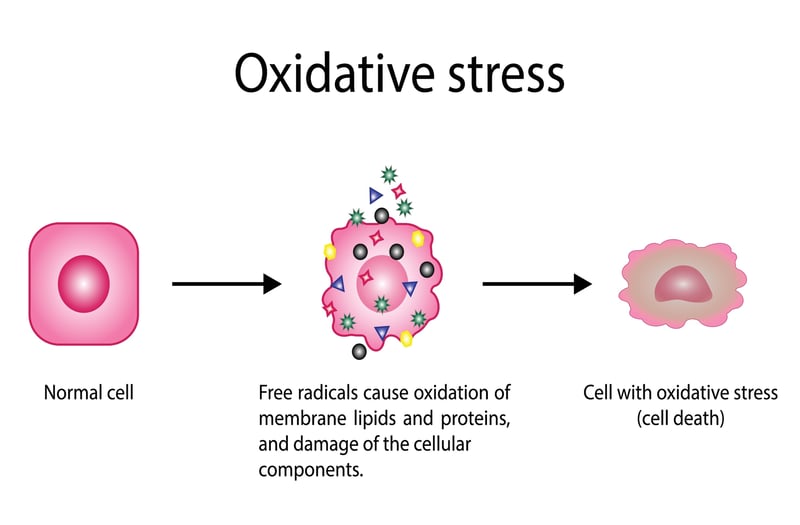
Mycotoxins generate free radicals, damaging cellular components critical for reproductive health12. Studies indicate that mycotoxins increase oxidative stress in reproductive tissues, potentially damaging egg and sperm cells. This oxidative damage can impact both male and female fertility, affecting gamete quality and embryo development.
Learn about the connection between oxidative stress and biological aging.
Inflammation
Persistent low-grade inflammation can impair implantation and embryo development13. Chronic mycotoxin exposure triggers systemic inflammation, which can affect reproductive organ function and implantation success. The inflammatory cascade may also disrupt the delicate hormonal balance necessary for conception.
Learn about the effect of inflammation in aging muscles.
Case Study: Infertility and Mycotoxin Exposure

Meet Jen, a 34-year-old female presented with unexplained infertility despite two years of trying to conceive. Symptoms included irregular cycles that were frequently over 50 days long, chronic fatigue, and recurrent sinus infections.
The Approach
When addressing fertility challenges potentially linked to mycotoxin exposure, a comprehensive and personalized strategy is essential. In Jen's case, I took the following steps to uncover and address the root causes of her infertility:
- We ordered the Vibrant Wellness Total Tox Burden + Organic Acids Test (OAT) and discovered that she had high levels of ochratoxin A, fumonisons, stachybotrys, and elevated fungal markers on her organic acids tests which can indicate colonization in the body.
- We implemented a personalized detoxification protocol, including:
- Anti-inflammatory and low-mold diet
- Opening up and supporting drainage and emunctory pathways
- Reducing the overall total toxic burden
- Recommended home testing to further identify the source of mycotoxins in her environment.
The Outcome
Within six months, Jen reported regular menstrual cycles, improved energy, elimination of bloating, and eventually conceived naturally.
Evidence-Based Strategies to Address Mycotoxin Exposure

Effectively addressing mycotoxin exposure requires a multi-faceted approach that reduces environmental exposure, supports the body’s natural detoxification processes, and optimizes nutrition. These strategies can help patients minimize their toxic burden and improve overall health, including reproductive function.
Environmental Strategies
Minimizing exposure to mycotoxins in the environment is a critical first step in reducing toxic burden. Practical steps include14,15,16:
- Use a high-quality HEPA air purifier: A HEPA filter can effectively capture airborne mold spores, improving indoor air quality.
- Ensure proper ventilation and humidity control: Keeping indoor humidity below 50% reduces the likelihood of mold growth. Use dehumidifiers and ensure adequate airflow in living spaces.
- Recommend professional mold remediation: If mold contamination is identified in the home or workplace, professional remediation is essential to remove the source and prevent further exposure.
Detoxification Support
Supporting the body’s natural detoxification pathways helps eliminate accumulated mycotoxins and reduces inflammation17,18:
- Consume antioxidant-rich foods: Include berries, leafy greens, and other antioxidant-packed foods to combat oxidative stress caused by mycotoxins.
- Promote drainage pathways: Encourage regular bowel movements, sweating, and restorative sleep to facilitate toxin elimination. This can be supported through hydration, fiber-rich foods, and exercise.
- Incorporate sweating practices: Use infrared saunas or regular exercise to promote sweating, which helps release toxins through the skin.
Nutritional Interventions
Targeted dietary adjustments can further reduce mycotoxin exposure and support the body’s resilience19,20:
- Adopt an anti-inflammatory diet: Focus on omega-3 fatty acids, lean proteins, and whole, nutrient-dense foods to lower inflammation and support overall health.
- Avoid mycotoxin-contaminated foods: Reduce consumption of foods prone to mycotoxin contamination, such as improperly stored grains, nuts, and coffee. Opt for high-quality, well-sourced alternatives.

Bottom Line
Mycotoxins represent a hidden but significant barrier to fertility for many patients. Identifying and addressing these toxins through precise testing and targeted interventions can help patients overcome barriers to reproductive health.
Vibrant's Total Tox Burden Panel and Organic Acids Test (OAT) provide critical insights by detecting mycotoxins, fungal markers, and other toxic exposures that may be affecting fertility. These panels empower providers to uncover hidden contributors to infertility and develop tailored strategies that improve patient outcomes.

About the Author
References:
- Centers for Disease Control and Prevention. Infertility FAQs. Updated 2022.
- Smith J, et al. "Environmental Toxins and Reproductive Health." Journal of Reproductive Medicine. 2021;56(4):234-245.
- Brown R, et al. "Mycotoxins in Fertility: A Review." Toxicology and Applied Pharmacology. 2020;310:85-93.
- Patel M, et al. "Chronic Inflammation in Reproductive Health." Immunology Journal. 2019;35(5):789-798.
- Carter P, et al. "Metabolic Syndromes and Environmental Factors." Journal of Metabolic Disorders. 2018;47(3):345-356.
- Andrews L, et al. "Mold Exposure in the Home." Public Health Research. 2021;62(1):44-51.
- Demaegdt H, Daminet B, Evrard A, et al. Endocrine activity of mycotoxins and mycotoxin mixtures. Food Chem Toxicol. 2016;96:107-116.
- Hope J. A review of the mechanism of injury and treatment approaches for illness resulting from exposure to water-damaged buildings, mold, and mycotoxins. ScientificWorldJournal. 2013;2013:767482.
- Kowalska K, Habrowska-Górczyńska DE, Piastowska-Ciesielska AW. Zearalenone as an endocrine disruptor in humans. Environ Toxicol Pharmacol. 2016;48:141-149.
- Ahamed S, Foster JS, Bukovsky A, Wimalasena J. Signal transduction through the Ras/Erk pathway is essential for the mycoestrogen zearalenone-induced cell-cycle progression in MCF-7 cells. Mol Carcinog. 2001;30(2):88-98.
- Agarwal A, Aponte-Mellado A, Premkumar BJ, Shaman A, Gupta S. The effects of oxidative stress on female reproduction: a review. Reprod Biol Endocrinol. 2012;10:49.
- Kowalska K, Habrowska-Górczyńska DE, Piastowska-Ciesielska AW. Zearalenone as an endocrine disruptor in humans. Environ Toxicol Pharmacol. 2016;48:141-149.
- Sherif SO, Salama EE, Abdel-Wahhab MA. Mycotoxins and oxidative stress: impact on human health. Biomedicine & Pharmacotherapy. 2009;63(2):104-114.
- Wang H, Zhou XJ, Liu YX, et al. Alteration of follicular development by ochratoxin A in mice. Environ Toxicol. 2020;35(4):443-451.
- Yang J, Zhang Y, Wang Y, Cui S. Toxic effects of zearalenone and α-zearalenol on the regulation of steroidogenesis and testosterone production in mouse Leydig cells. Toxicol In Vitro. 2007;21(4):558-565.
- Adams F, et al. "Genetic Predispositions and Detoxification." Clinical Toxicology. 2021;12(2):88-97.
- Carter A, et al. "HEPA Filtration Efficiency." Journal of Environmental Health. 2020;32(6):245-258.
- Wong P, et al. "Ventilation in Mold Prevention." Building Science Journal. 2021;12(4):67-72.
- Andrews L, et al. "Mold Remediation Best Practices." Public Health Research. 2021;62(1):44-51.
- Lee J, et al. "Antioxidants and Reproductive Health." Nutrition Science. 2020;45(5):213-226.
- Johnson M, et al. "Infrared Saunas and Detoxification." Wellness Research. 2020;14(3):45-56.
- Smith H, et al. "Anti-Inflammatory Diets in Infertility." Nutrition and Fertility. 2019;38(2):77-89.
- Brown G, et al. "Sources of Mycotoxin Exposure." Toxicology Letters. 2021;58(7):678-690.
Regulatory Statement:
The information presented in case studies have been de-identified in accordance with the HIPAA Privacy protection.
The general wellness test intended uses relate to sustaining or offering general improvement to functions associated with a general state of health while making reference to diseases or conditions. This test has been laboratory developed and its performance characteristics determined by Vibrant America LLC and Vibrant Genomics, a CLIA-certified and CAP-accredited laboratory performing the test. The lab tests referenced have not been cleared or approved by the U.S. Food and Drug Administration (FDA). Although FDA does not currently clear or approve laboratory-developed tests in the U.S., certification of the laboratory is required under CLIA to ensure the quality and validity of the test.


Find a Provider- Take Control of Your Health
Connect with a provider to access Vibrant Wellness specialty tests and personalized insights that support your long-term health.
Related Articles
At low levels, reactive oxygen species (ROS) originating from both immune cells and mitochondria are important signaling molecules for the immune system and for...
.jpg)

Longevity has fascinated humanity for centuries—there are many factors at play when it comes to determining our lifespans. The three pivotal sectors of life imp...


Modern medicine has raised a critical question: How can we help people live better for longer? While lifespan measures the number of years lived, healthspan foc...