When most people think of histamine, they picture allergy symptoms, sneezing, hives, and congestion. But histamine is far more than an allergy molecule. It is also a powerful neuromodulator in the brain, influencing everything from attention and memory to anxiety and sleep. For individuals struggling with mental health or cognitive symptoms that seem disconnected from their environment, histamine overload may be a hidden driver.
Histamine can be produced both endogenously in the brain and exogenously in the gut by microbes and immune cells. It plays a key role in neuroinflammation, gut-brain signaling, and immune surveillance. When histamine levels become excessive, due to mast cell activation, impaired metabolism, or microbiome imbalances, it can lead to a wide range of symptoms: insomnia, brain fog, irritability, migraines, and even panic attacks.
This blog explores the connection between histamine and mental health, how the gut and immune system contribute, and how functional lab testing can reveal key patterns behind seemingly vague or disconnected symptoms.
Table of Contents
Histamine as a Neurotransmitter: Functions in the Brain and Nervous System
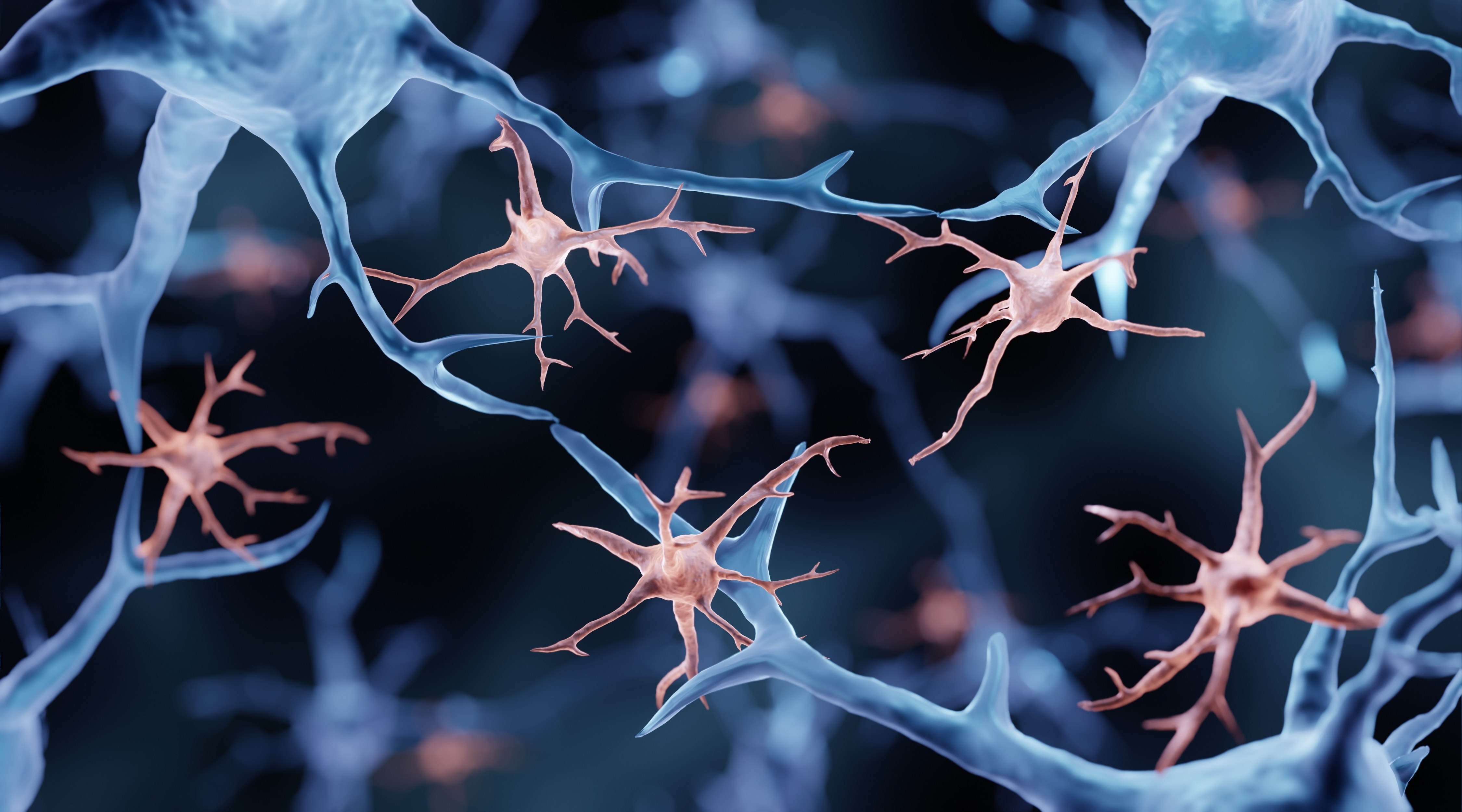
Histamine isn’t just an immune signaling molecule. It’s also a crucial neurotransmitter in the central nervous system. It is synthesized by histaminergic neurons in the tuberomammillary nucleus of the hypothalamus, a small but influential brain region involved in regulating wakefulness, energy balance, and cognition.
Once synthesized, histamine is released into multiple regions of the brain where it exerts its effects by binding to four types of histamine receptors: H1, H2, H3, and H4. Each receptor plays a different role:
- H1 receptors modulate sleep-wake cycles, anxiety, and alertness.
- H2 receptors influence memory consolidation and neuroplasticity.
- H3 receptors, found primarily in the brain, function as presynaptic autoreceptors, regulating the release of other neurotransmitters like dopamine, serotonin, acetylcholine, and norepinephrine.
- H4 receptors are more involved in neuroimmune interactions and inflammation, including the recruitment of immune cells to sites of injury or infection.
Through this intricate receptor system, histamine plays a major role in maintaining arousal, attention, vigilance, and motivation. It is also tightly linked to neuroinflammatory signaling, particularly in the context of stress, infection, and immune activation. Disruption of histamine balance, whether from overproduction, impaired breakdown, or receptor hypersensitivity, can tip the scale toward neurotransmitter dysregulation, microglial activation, and mood instability.
Sources of Histamine and the Role of Mast Cells
While histamine functions as a neurotransmitter in the brain, it is also produced in high concentrations by mast cells, key immune sentinels found throughout the body, especially at barrier sites like the gut, lungs, skin, and brain. These cells store histamine in intracellular granules and release it rapidly in response to a wide variety of triggers, including allergens, toxins, infections, stress, and certain foods.
Mast cells are particularly important in the context of histamine overload and neuroimmune dysregulation. Upon activation, they release histamine alongside other mediators such as tryptase, prostaglandins, leukotrienes, cytokines, and heparin, which contribute to inflammation and increased vascular permeability. In the brain, mast cells are uniquely positioned around the hypothalamus, thalamus, and blood-brain barrier, where their activation can influence both neuronal activity and microglial priming.
Additionally, mast cells and histamine are intricately connected to the gut-brain axis. In the gastrointestinal tract, mast cell degranulation can increase intestinal permeability (“leaky gut”), allowing microbial metabolites, antigens, and histamine-rich contents to enter circulation and reach the brain. This can perpetuate a vicious cycle of systemic inflammation, neuroinflammation, and histamine intolerance.
For individuals with mast cell activation syndrome (MCAS) or histamine intolerance, this overproduction and dysregulated release of histamine can manifest in a wide spectrum of symptoms, ranging from migraines, anxiety, insomnia, and brain fog to gut issues, skin reactions, and cardiovascular symptoms. Identifying and addressing the root causes of mast cell activation is, therefore, critical for restoring histamine balance and improving both cognitive and mental health outcomes.
Histamine Intolerance, Enzymatic Breakdown, and Neuropsychiatric Symptoms
Under normal circumstances, the body relies on two key enzymes to break down histamine: diamine oxidase (DAO), primarily active in the gut, and histamine-N-methyltransferase (HNMT), which degrades histamine intracellularly, especially in the central nervous system. When these enzymes are deficient or overburdened, whether due to genetics, nutrient deficiencies, gastrointestinal dysfunction, medications, or environmental stressors, histamine can accumulate, both systemically and in the brain.
This accumulation is referred to as histamine intolerance, a condition characterized by impaired histamine clearance rather than excess production. Individuals with histamine intolerance often present with a constellation of neuropsychiatric symptoms, including:
-
- Anxiety and panic episodes
- Insomnia or disrupted circadian rhythms
- Headaches or migraines
- Brain fog and poor concentration
- Irritability, agitation, or restlessness
- Sensory sensitivities (light, sound, smell)

In the brain, elevated histamine can disrupt neurotransmitter balance by modulating dopamine, gamma-aminobutyric acid (GABA), and glutamate signaling. Excess histamine also activates microglia, the resident immune cells of the brain, contributing to neuroinflammation, oxidative stress, and altered neuroplasticity. This may help explain why histamine overload is increasingly implicated in conditions like attention deficit hyperactivity disorder (ADHD), obsessive compulsive disorder (OCD), bipolar disorder, depression, and insomnia.
Furthermore, histamine intolerance and brain fog can be worsened by nutritional insufficiencies, especially in vitamin B6, copper, S-Adenosylmethionine (SAMe), and methylation cofactors, which are essential for histamine degradation. Gut dysbiosis, mold/mycotoxin exposure, and high-histamine foods can further suppress DAO activity or increase histamine burden.
Because histamine intolerance overlaps with so many neuropsychiatric conditions, it is often overlooked or misdiagnosed, leaving patients stuck in symptom-management loops without resolution of the root dysfunction.
Lab Testing to Evaluate Histamine-Driven Brain Dysfunction
Given the complex and systemic nature of histamine-related dysfunction, laboratory testing can offer valuable insight into the underlying mechanisms contributing to neuropsychiatric symptoms. While there’s no single test to confirm histamine intolerance or brain histaminosis, a strategic panel of functional tests can help identify patterns of imbalance and guide clinical intervention.
1. Gut Zoomer
Since over 70% of DAO is produced in the small intestine, gut health is foundational for histamine regulation. The Vibrant Wellness Gut Zoomer evaluates intestinal permeability, microbial diversity, and fungal or bacterial dysbiosis, all of which can impair DAO activity and fuel histamine overload. Elevated levels of histamine-producing bacteria, such as Morganella, Proteus, or Klebsiella, or reduced levels of beneficial strains like Lactobacillus rhamnosus, can point to microbiome-driven histamine burden.
2. Candida + IBS Profile
Candida overgrowth and small intestinal fungal overgrowth (SIFO) can exacerbate histamine excess via mycotoxin exposure, gut inflammation, and mast cell activation. The Vibrant Wellness Candida + IBS Profile helps assess fungal colonization and associated byproducts that may influence histamine and mast cell dynamics.
3. Micronutrient Panel
Nutrients such as vitamin B6, copper, vitamin C, magnesium, and methylation cofactors (folate, B12, SAMe) are critical for the enzymatic breakdown of histamine via DAO and HNMT. Deficiencies in these nutrients can impair histamine clearance and exacerbate mood, energy, and sleep issues. The Micronutrient Panel can be used to identify these insufficiencies and inform targeted repletion strategies.
4. Food Sensitivity Panel
Chronic immune activation from food sensitivities may increase gut permeability, immune reactivity, and histamine release. Reactions to common triggers like gluten, dairy, or fermented foods may be silently contributing to mast cell degranulation and central nervous system symptoms.
Identifying and eliminating reactive foods can be pivotal in reducing systemic histamine load. A Food Sensitivity Test helps evaluate immune responses to a broad range of foods.
5. Neural Zoomer Plus
Neural Zoomer Plus evaluates markers of blood-brain barrier integrity, neuroinflammation, neurodegeneration, and autoimmunity, which can all be downstream consequences of chronic histamine elevation and mast cell activation. Identifying neural antibodies and inflammatory markers can help confirm histamine's impact on brain function.
Additional Considerations
Depending on the clinical picture, further testing may include:
- Mycotoxin analysis (to rule out mold-triggered histamine excess)
- Organic acids testing (for microbial metabolites and mitochondrial function)
- Neurotransmitter panels (to assess the interplay between histamine and other neurochemicals).
By leveraging these functional lab tools, practitioners can better map the physiological terrain contributing to histamine intolerance and create personalized protocols that go beyond symptom suppression to address the root dysfunction.

Clinical Strategies to Support Histamine Clearance and Brain Health
Once histamine-related dysfunction has been identified, the goal of clinical intervention is twofold: reduce histamine load and enhance histamine clearance, while also supporting the brain’s resilience to inflammatory stress. Because histamine overload often stems from a combination of gut dysfunction, nutrient deficiencies, immune activation, and environmental triggers, a comprehensive approach tends to be the most effective.
Optimize Gut Integrity and Microbiota Balance
Healing the gut is foundational. Supporting intestinal barrier function with nutrients like L-glutamine, zinc carnosine, quercetin, and butyrate can reduce systemic histamine burden. Microbiome-balancing strategies, including targeted probiotics (e.g., Lactobacillus rhamnosus, Bifidobacterium infantis), antimicrobials, and digestive enzymes, help curb overgrowth of histamine-producing microbes and restore gut homeostasis.
Remove Dietary and Environmental Triggers
A low-histamine or histamine-lowering diet may help reduce acute symptom load. Common offenders include aged cheeses, fermented foods, alcohol, cured meats, and leftover foods. Supporting environmental detoxification by addressing mold exposure, chemical sensitivity, and heavy metals may also reduce mast cell activation and histamine release. Personalized avoidance of food sensitivities, as identified on lab panels, adds another layer of precision.
Replenish Histamine-Clearing Nutrients
Key nutrients involved in histamine metabolism include:
- Vitamin B6 – cofactor for DAO and neurotransmitter synthesis
- Copper – cofactor for DAO (but must be balanced with zinc)
- Vitamin C – stabilizes mast cells and reduces histamine
- Magnesium – supports methylation and mast cell regulation
- Methylation cofactors (e.g., folate, B12, SAMe) – necessary for HNMT-mediated histamine degradation
Targeted repletion can support enzymatic pathways and accelerate histamine clearance.
Calm the Immune System and Stabilize Mast Cells
Mast cell stabilizers like quercetin, luteolin, PEA (palmitoylethanolamide), and diamine oxidase (DAO) supplements can be used to calm histamine release and improve tolerance. Bioflavonoids and polyphenols also offer dual benefits of antioxidant and anti-inflammatory support.
Support Neurological Resilience
Neuroinflammation and blood-brain barrier dysfunction are common in histamine-related disorders. Nutraceuticals like resveratrol, curcumin, omega-3s, phosphatidylserine, and lion’s mane mushroom may help support neurogenesis, glial balance, and cognitive function. Consider mind-body practices like vagus nerve stimulation, meditation, breathwork, and exercise to build psychological and neurological resilience.
Consider Pharmaceutical Support if Necessary
In complex cases, H1 and H2 histamine blockers (e.g., cetirizine, famotidine) may offer symptomatic relief, though they do not address root causes. DAO supplementation may also be helpful around meals for individuals with dietary histamine sensitivity.
When used together, these strategies can reduce histamine burden, stabilize mast cells, support gut-brain resilience, and empower patients to reclaim mental clarity and emotional well-being.
Conclusion & Clinical Call to Action
Histamine is far more than a mediator of allergies. It is a potent neuroimmune signal with profound effects on mental health, cognition, and inflammation. When histamine metabolism becomes imbalanced due to gut dysfunction, microbial overgrowth, nutrient deficiencies, or environmental exposures, the result is often a confusing array of symptoms that span the brain and body: anxiety, brain fog, depression, insomnia, irritability, headaches, and beyond.
Functional lab testing empowers clinicians to detect hidden drivers of histamine overload, including dysbiosis, candida overgrowth, intestinal permeability, nutrient insufficiencies, and immune reactivity. Panels like the Candida + IBS Profile, Food Sensitivity Panel, Micronutrient Panel, Gut Zoomer, and Neural Zoomer Plus offer powerful insights into the gut-brain-histamine connection.
By identifying root causes and addressing them through a personalized, integrative strategy, practitioners can restore histamine balance, reduce neuroinflammation, and help patients achieve greater clarity, calm, and cognitive resilience.
Now is the time to move beyond antihistamines and allergen avoidance. Let’s reframe histamine as a clinical compass pointing us toward deeper imbalances and a powerful opportunity for functional healing.

About the Author
Brendan Vermeire is a Mental and Metabolic Health Scientist, Functional Medicine Educator, and Board-Certified Holistic Health Practitioner. After an injury ended his Navy SEAL training, he shifted to personal training, discovered functional lab testing, and became a leading expert in metabolic health. He founded the Metabolic Solutions Institute and its nonprofit arm, dedicated to advancing mental health science. He also created The Mental M.A.P.™ lab panel, the FMHP™ Certificate Program, and the NeuroCeuticals™ supplement line.
Regulatory Statement:
The information presented in case studies have been de-identified in accordance with the HIPAA Privacy protection.
The general wellness test intended uses relate to sustaining or offering general improvement to functions associated with a general state of health while making reference to diseases or conditions. This test has been laboratory developed and its performance characteristics determined by Vibrant America LLC and Vibrant Genomics, a CLIA-certified and CAP-accredited laboratory performing the test. The lab tests referenced have not been cleared or approved by the U.S. Food and Drug Administration (FDA). Although FDA does not currently clear or approve laboratory-developed tests in the U.S., certification of the laboratory is required under CLIA to ensure the quality and validity of the test.


Find a Provider- Take Control of Your Health
Connect with a provider to access Vibrant Wellness specialty tests and personalized insights that support your long-term health.
Related Articles
Autoimmune brain disorders represent one of the most complex and misunderstood intersections of neurology and immunology. Conditions such as multiple sclerosis ...
The Hidden Neuroimmune Impact of Toxic Metals Every day, we're exposed to trace amounts of heavy metals: arsenic in drinking water, mercury in seafood, lead in ...
Every day, we are exposed to thousands of synthetic chemicals—many of which remain in our bodies for years, disrupting critical biological functions. Among the ...