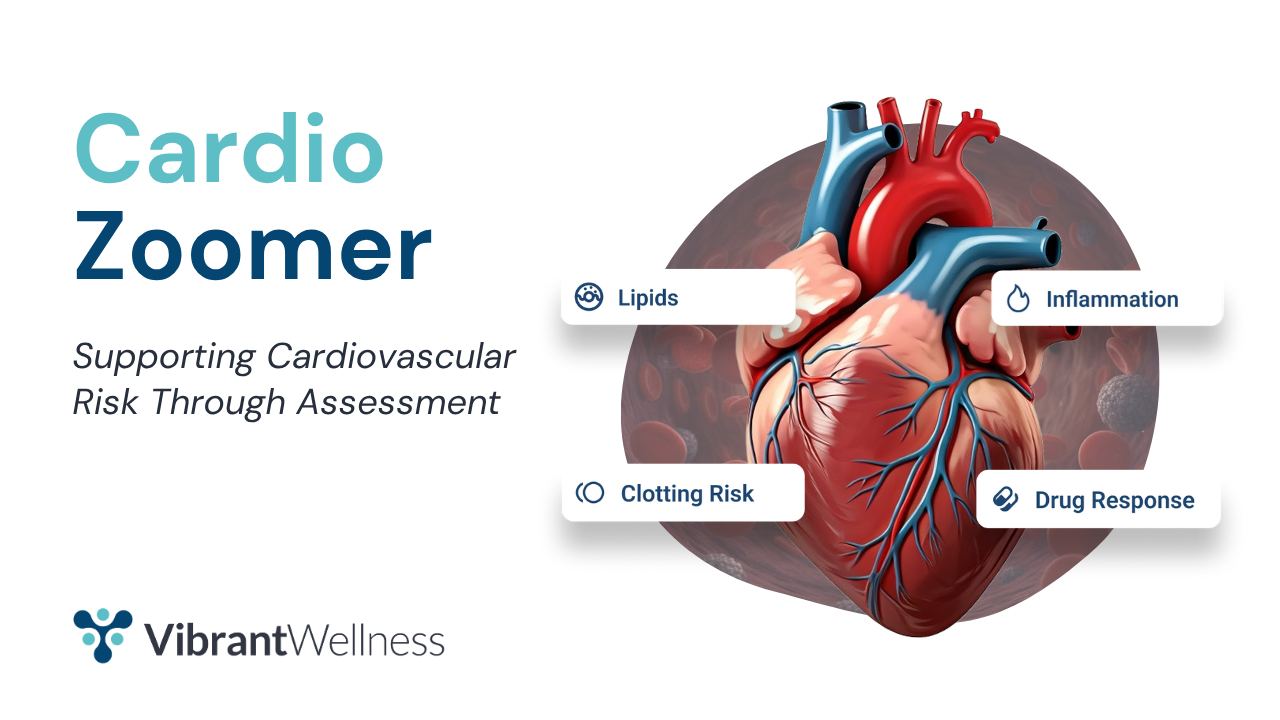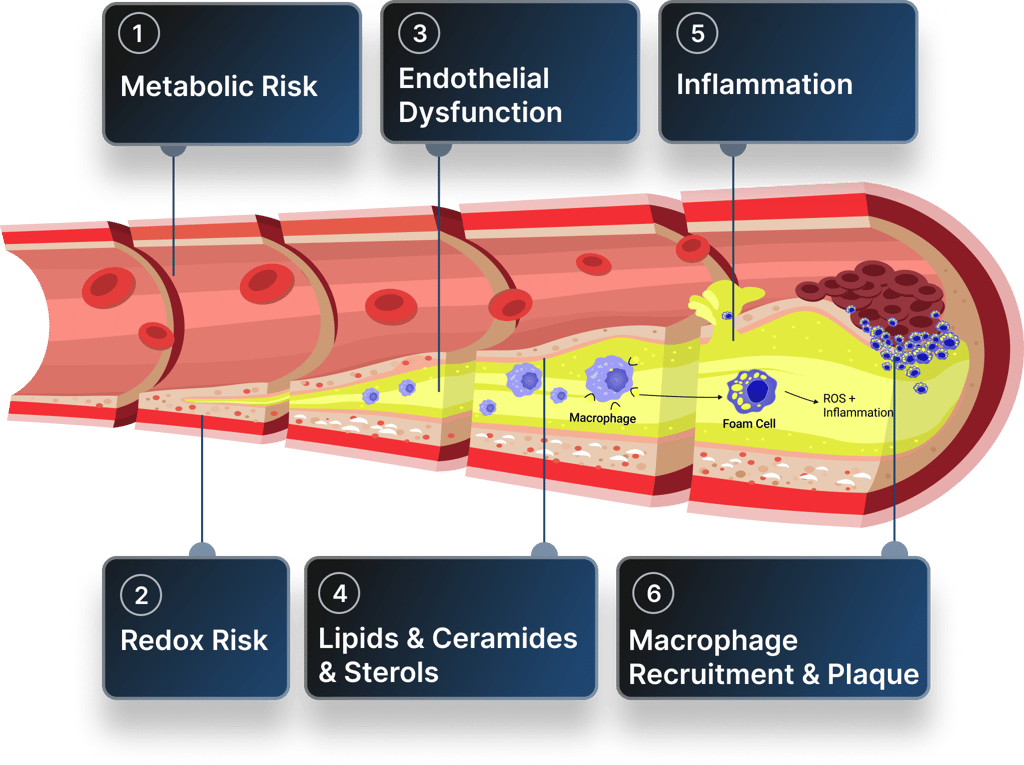
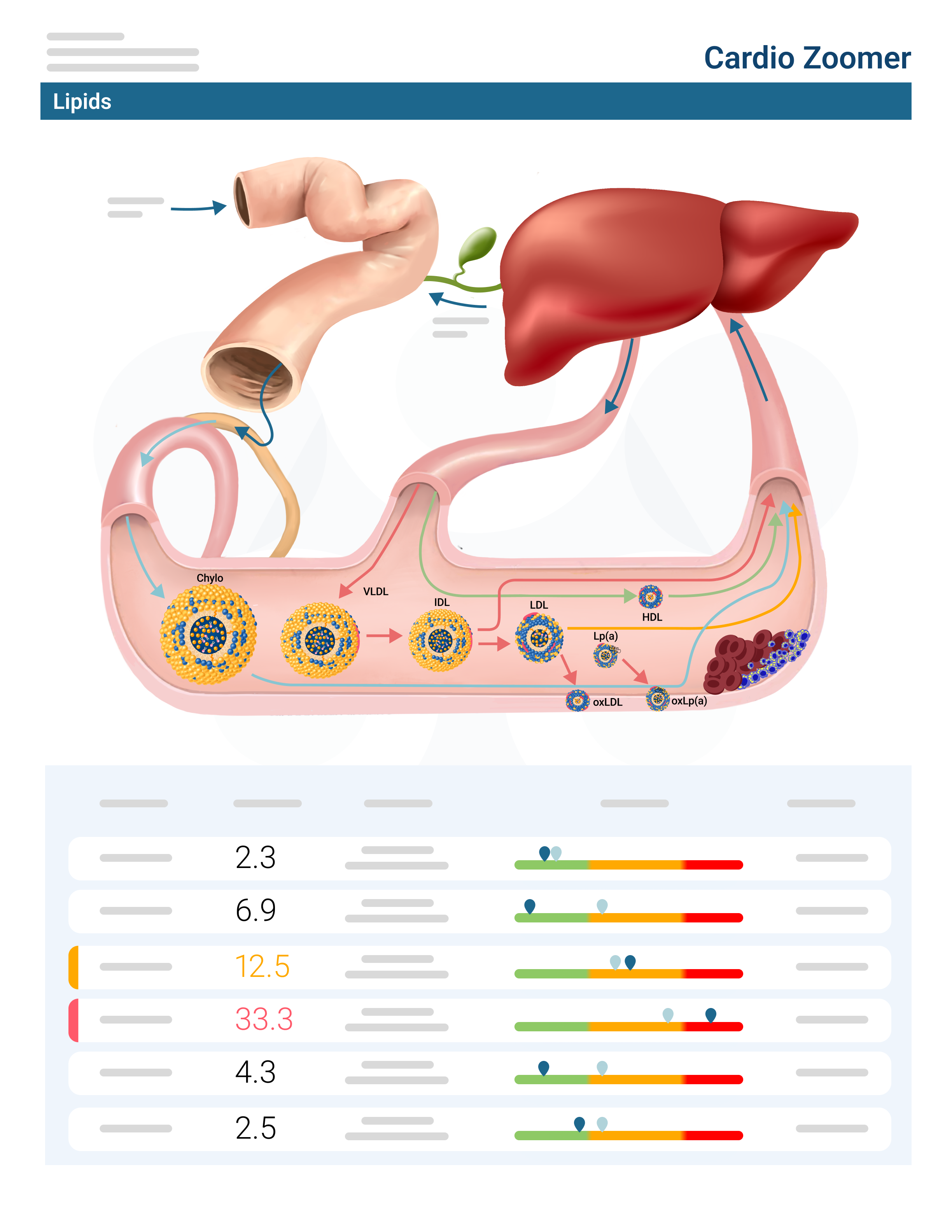
Cardio Zoomer is a blood and urine-based test that brings together leading-edge biomarkers that reveal early dysfunction and help providers connect clinical dots between the heart, metabolism, and vascular systems.
Highlights include:
- Advanced Lipid & Sterol Profiling: ApoB, Lp(a), sdLDL, ceramides, desmosterol, campesterol, and sterol ratios for a detailed look at lipid metabolism and atherosclerosis risk.
- Inflammation & Oxidative Stress: hsCRP, IL-6, TNF-α, NTproBNP, F2-Isoprostanes, and Nitrotyrosine uncover systemic inflammation and oxidative damage that drive plaque formation.
- Metabolic & Clotting Insights: Glucose, insulin, HOMA-IR, and fibrinogen reveal the metabolic-clotting connection in cardiovascular risk.
- Endothelial & Redox Function: ADMA, SDMA, and homoarginine assess vascular tone, nitric oxide availability, and endothelial health.
Cardio Zoomer turns mechanisms into decisions, explaining why risk persists and pointing to what to do next with clean, clinical visuals. A brief questionnaire (3–5 minutes) is required to calibrate risk scores and tailor interpretation to each patient’s symptoms, history, lifestyle, and medications.
The Role of Cardio Genetics: Understanding the “Why” Behind Risk
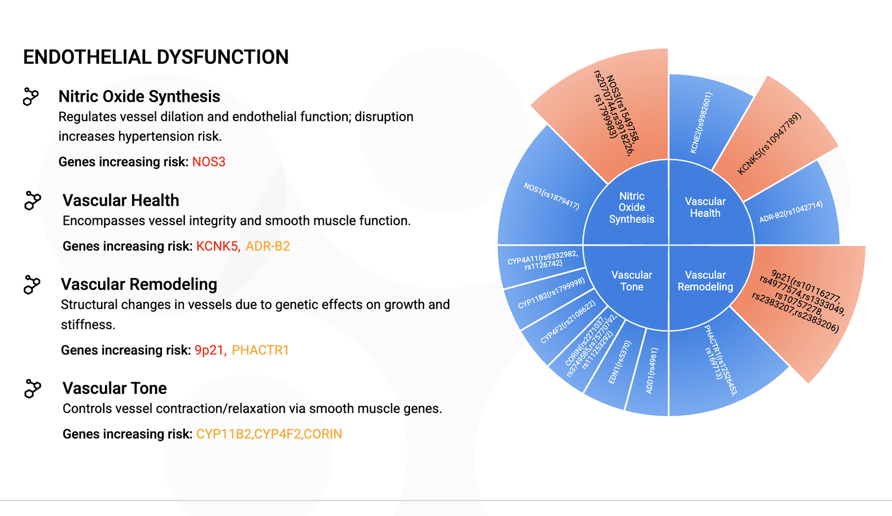
Where Cardio Zoomer measures what’s happening now, Cardio Genetics reveals why it’s happening.
We’re retiring CardiaX and introducing Cardio Genetics in its place, a purpose-built cardiovascular genetics panel that turns results into decisions. Cardio Genetics is blood-based genetics test that screens 100+ cardiovascular-related variants (vs. CardiaX’s 20+), telling a more complete, clinically useful story of inherited risk, spanning lipid metabolism, inflammation, blood pressure regulation, clotting, and medication response so care plans can be more precise for each patient.
What’s new and why it matters
- Lipid metabolism: Variants in APOE, PCSK9, LPA, LDLR, ANGPTL3/4 refine cholesterol transport insight and statin strategy.
- Inflammation & oxidative stress: IL6R, MPO, GPX1 help explain endothelial injury and chronic vascular inflammation.
- Clotting & coagulation: Factor V Leiden (F5), Prothrombin (F2), MTHFR clarify thrombotic and homocysteine-related risk.
- Blood pressure regulation: NOS3, AGTR1, ACE inform vascular tone, sodium handling, and RAAS-related tendencies.
- Pharmacogenomics: CYP2C19, SLCO1B1, CYP3A5 guide personalized use of antiplatelets and statins.
This is the Cardio Genetics test you’ve been waiting for; broader coverage, clearer interpretation, and built for real clinical impact.
Clinical Synergy: Cardio Zoomer + Cardio Genetics
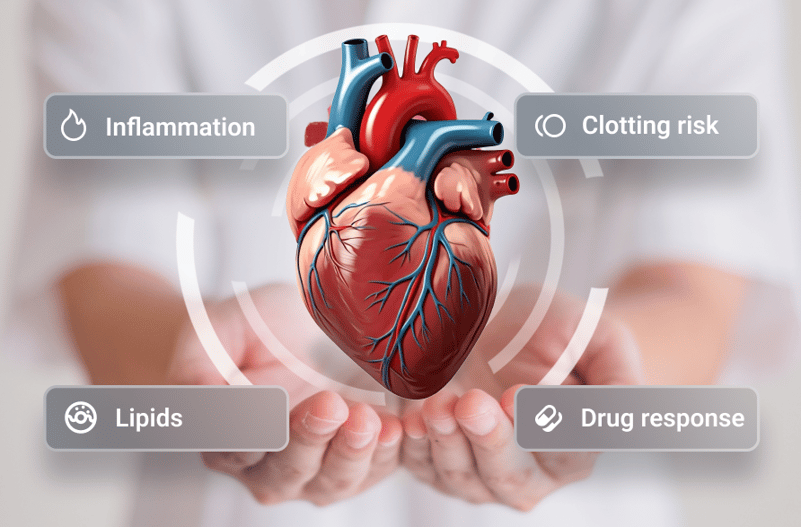
When ordered together, Cardio Zoomer + Cardio Genetics create a complete cardiovascular blueprint.
- Cardio Zoomer shows real-time dysfunction — inflammation, oxidative stress, endothelial damage.
- Cardio Genetics reveals inherited predispositions — lipid metabolism, drug response, and vascular tone.
Together, they deliver the ultimate clinical synergy:
- Connect Cause and Effect: Link genetic variants to current biomarker expression.
- Enable Early Intervention: Predict and help prevent heart disease before it develops.
- Personalize Treatment: Align diet, lifestyle, and medication to each patient’s unique biology.
Why This Matters for Patients

- Transform uncertainty into clarity: Move past traditional cholesterol checks to uncover the true root causes of cardiovascular risk, from inflammation and oxidative stress to genetic predisposition.
- Enable prevention before progression: Detect early dysfunction across multiple systems, metabolic, vascular, and genetic, so providers can intervene years before symptoms arise.
- Personalized care with purpose: Combine real-time biomarkers with inherited insights to guide the most effective diet, exercise, and therapy plans for each individual.
- Empower patients through understanding: Simple, visually intuitive reports turn complex science into clear stories your patients can act on with confidence.
- Long-term tracking for lifelong health: One-time genetics and repeatable biomarkers help patients see their progress over time, reinforcing adherence and engagement.
Resources for Providers
To help you integrate Cardio Zoomer + Genetics into your practice, we’ve created a full suite of clinical and marketing resources:
Clinical Synergy: Extending Insights Beyond DNA
Genetic predisposition is powerful but pairing Cardio Genetics with complementary Vibrant panels turns predisposition into precise, actionable care. These combinations let providers connect inherited risk with current physiology, lifestyle factors, and environmental load.
 Cardio Zoomer: Link lipid, inflammation, endothelial, and clotting biomarkers with genetic variants (e.g., APOE, LPA, F5, CYP2C19) to explain why risk is elevated and how to tailor management (nutrition, pharmacogenomics, monitoring).
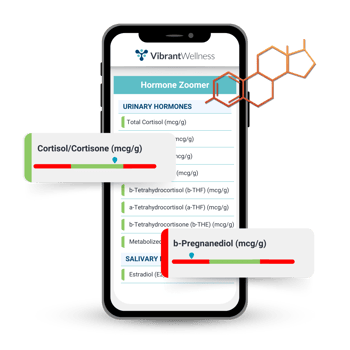
Hormone Zoomer: Genes in RAAS/NO pathways (ACE, AGTR1, NOS3) interact with cortisol/sex hormone balance, influencing blood pressure, lipids, and vascular tone. Together, identify patients whose genetic risk is amplified by hormonal shifts.
Gut Zoomer: Microbial metabolites (e.g., TMAO) and gut inflammation can magnify risks in lipid and inflammatory genotypes (APOA5, LPL, IL6R, MPO). Pairing tests clarifies gut–heart mechanisms and targeted diet/probiotic strategies.
The Bottom Line

- Cardio Zoomer and Cardio Genetics represent the future of cardiovascular testing a unified approach that connects real-time biomarker science with genomic precision.
- For providers, this means sharper insights, stronger clinical confidence, and a complete systems-based view of heart health.
For patients, it means earlier answers, smarter prevention, and a personalized path to a longer healthspan.
Available now:
Log in to your Provider Portal to begin ordering Cardio Zoomer and Cardio Genetics today and empower your patients with the clarity and confidence they deserve. 
Regulatory Statement:
The general wellness test intended uses relate to sustaining or offering general improvement to functions associated with a general state of health while making reference to diseases or conditions. This test has been laboratory developed and its performance characteristics determined by Vibrant America LLC and Vibrant Genomics, a CLIA-certified and CAP-accredited laboratory performing the test. The lab tests referenced have not been cleared or approved by the U.S. Food and Drug Administration (FDA). Although FDA does not currently clear or approve laboratory-developed tests in the U.S., certification of the laboratory is required under CLIA to ensure the quality and validity of the tests





.png)